
🕹️ I had the opportunity to fulfill two roles on this project, as both world designer (procedural terrain designer) and level designer (track + event designer)
GENRE: ACTION SPORTS GAME
DEVELOPER: UBISOFT (ANNECY - LEAD STUDIO)
ROLE: WORLD DESIGNER + LEVEL DESIGNER
[CREDITS]
Trinh Nguyen (Level Designer)
Renaud Person (World Directior)
Kevin Carpentier (World Lead)
Yann Fieux (World Designer)
Pierre Robin (Senior Level Artist)
Arthur Belin (Level Artist)
Charly Carrelet (Level Artist)
Lukas Stratmann (Level Artist)
Matthieu Schlosser (Tech Level Designer)
Pawel Ksiazek (Tech Level Designer)
Loic Bourdrel (Tech Level Designer)
⬆️ some people I worked close together with ⬆️

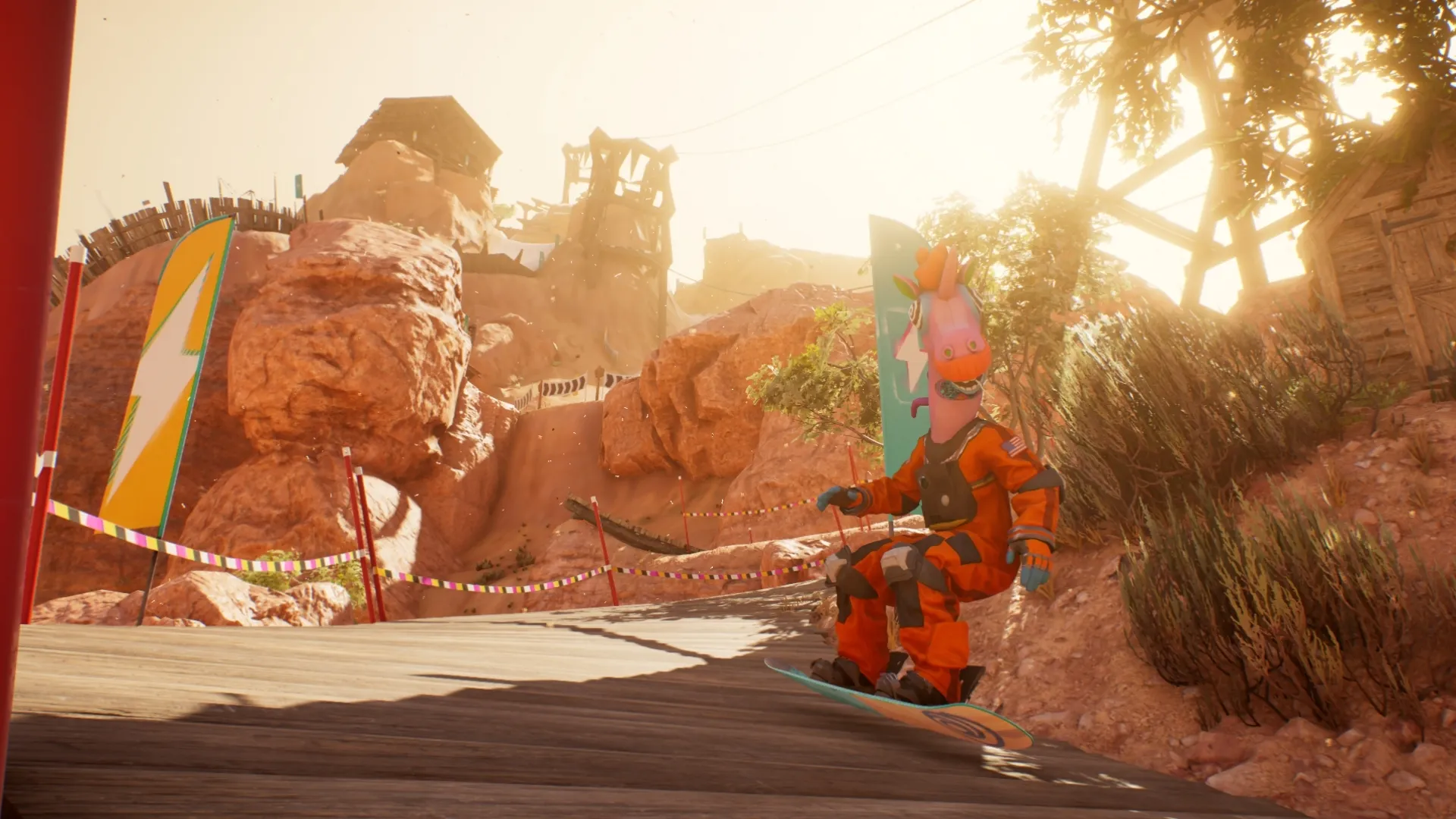
In Riders Republic, I worked as both a Level Designer and World Designer, focusing on player flow, readability, and conveying the action sports fantasy in a large-scale open world.
By combining terrain design, track layout, and visual guidance, I helped create experiences where players could maintain speed, stay in control, and fueling the fantasy of a skilled action sports athletes.
World Designer
• Designed large-scale terrain using hand-sculpted and procedural methods to support readability, flow, and navigation
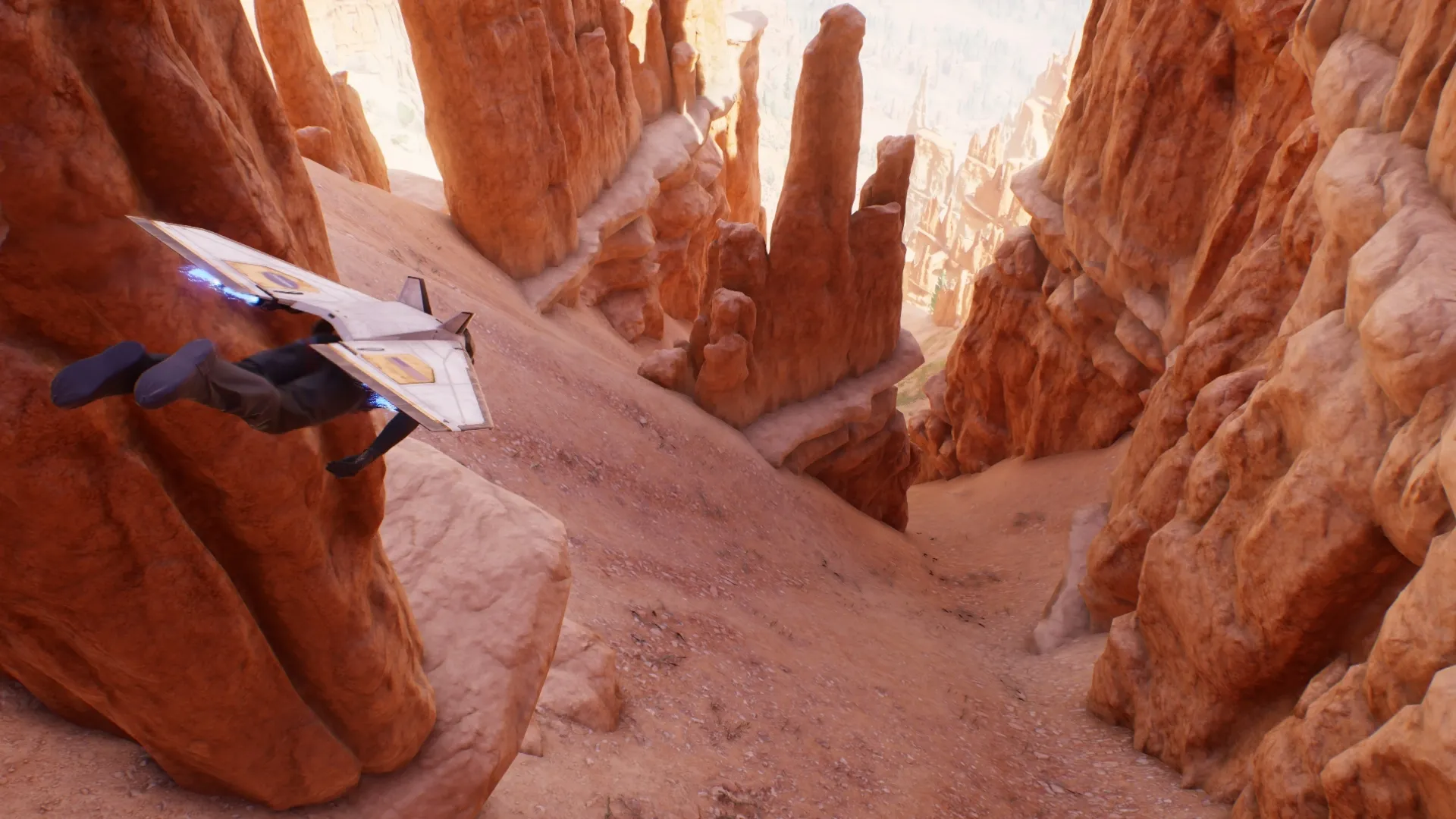
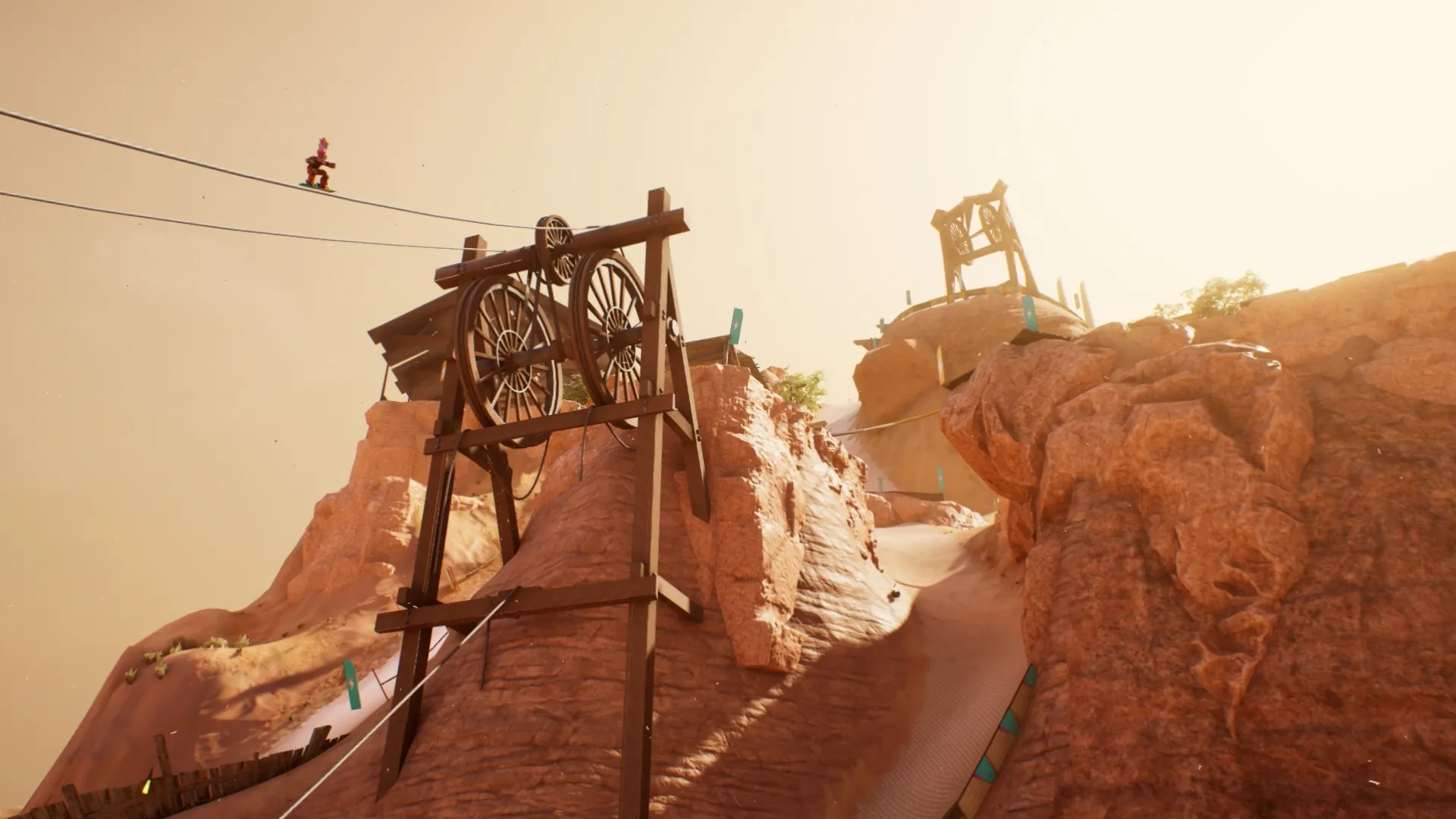
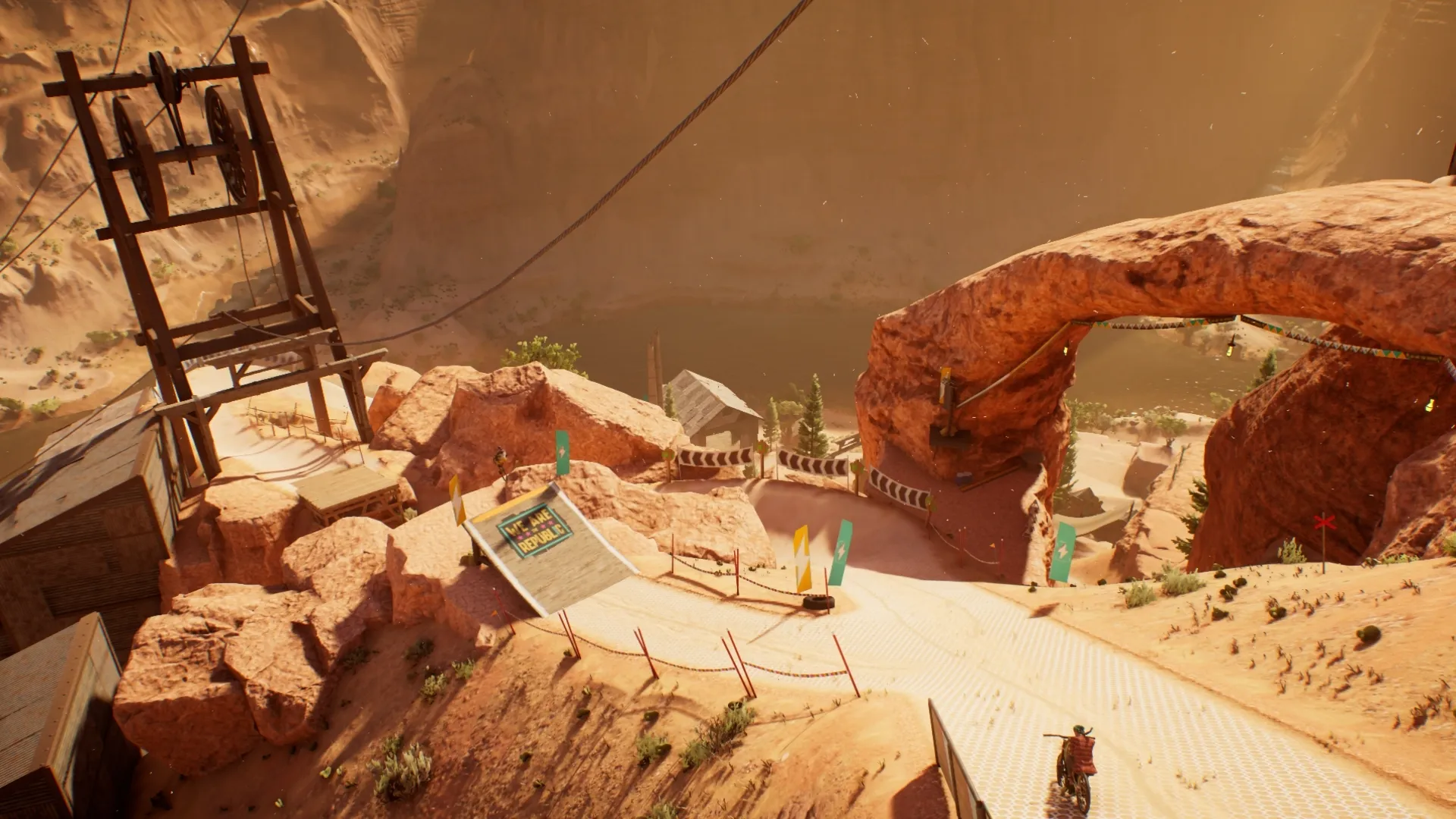
• Created key regions such as Bryce Canyon, translating real-world geography into engaging and playable environments
• Developed geological features procedurally to ensure consistency and scalability across the world
• Identified and resolved terrain issues to maintain smooth player traversal and visual clarity
Level Designer
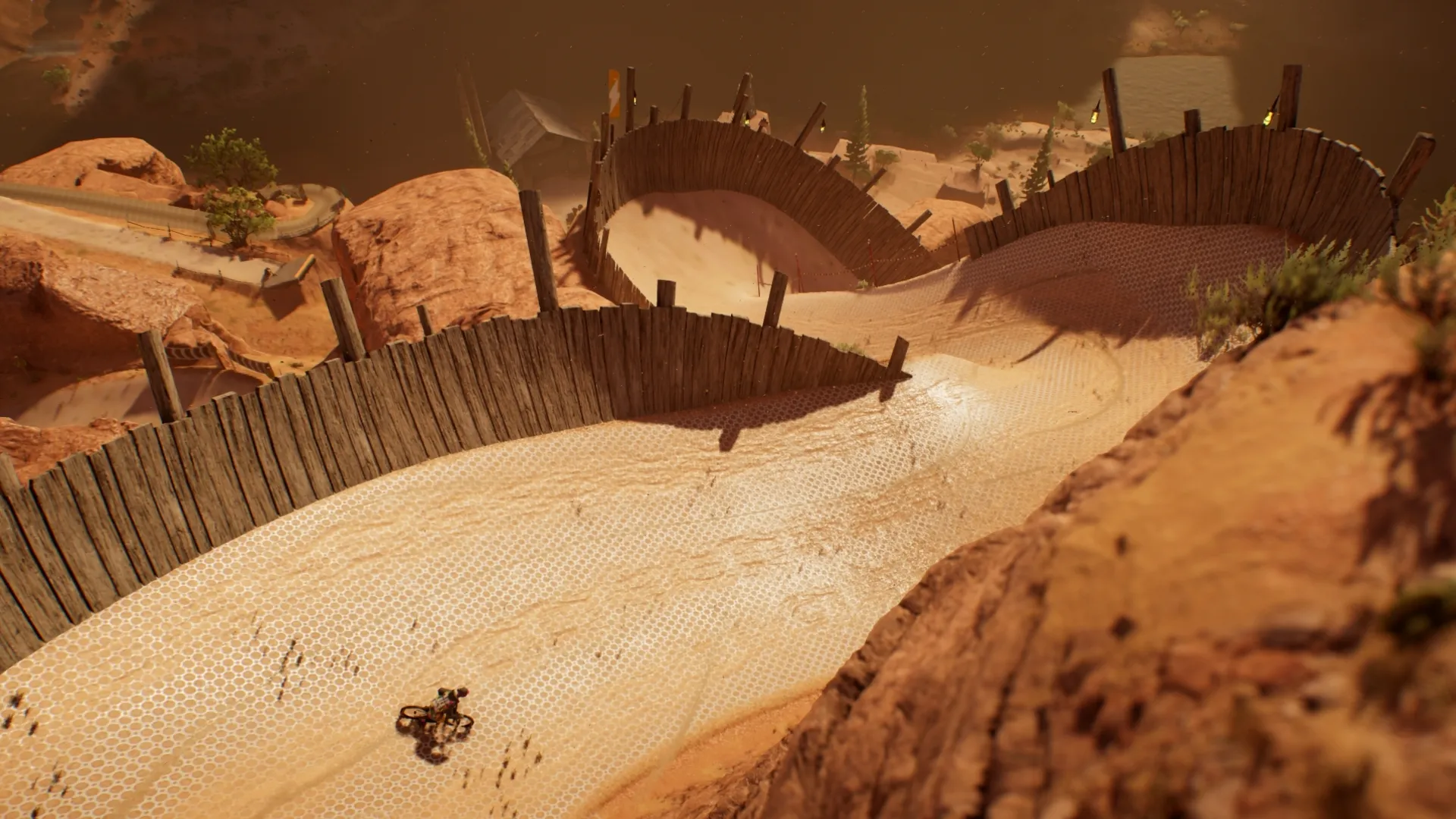
• Designed and owned events and bike tracks from concept to final, focusing on flow, pacing, and player experience (10+ tracks)
• Created early blockouts to define layout, scale, and collision shapes
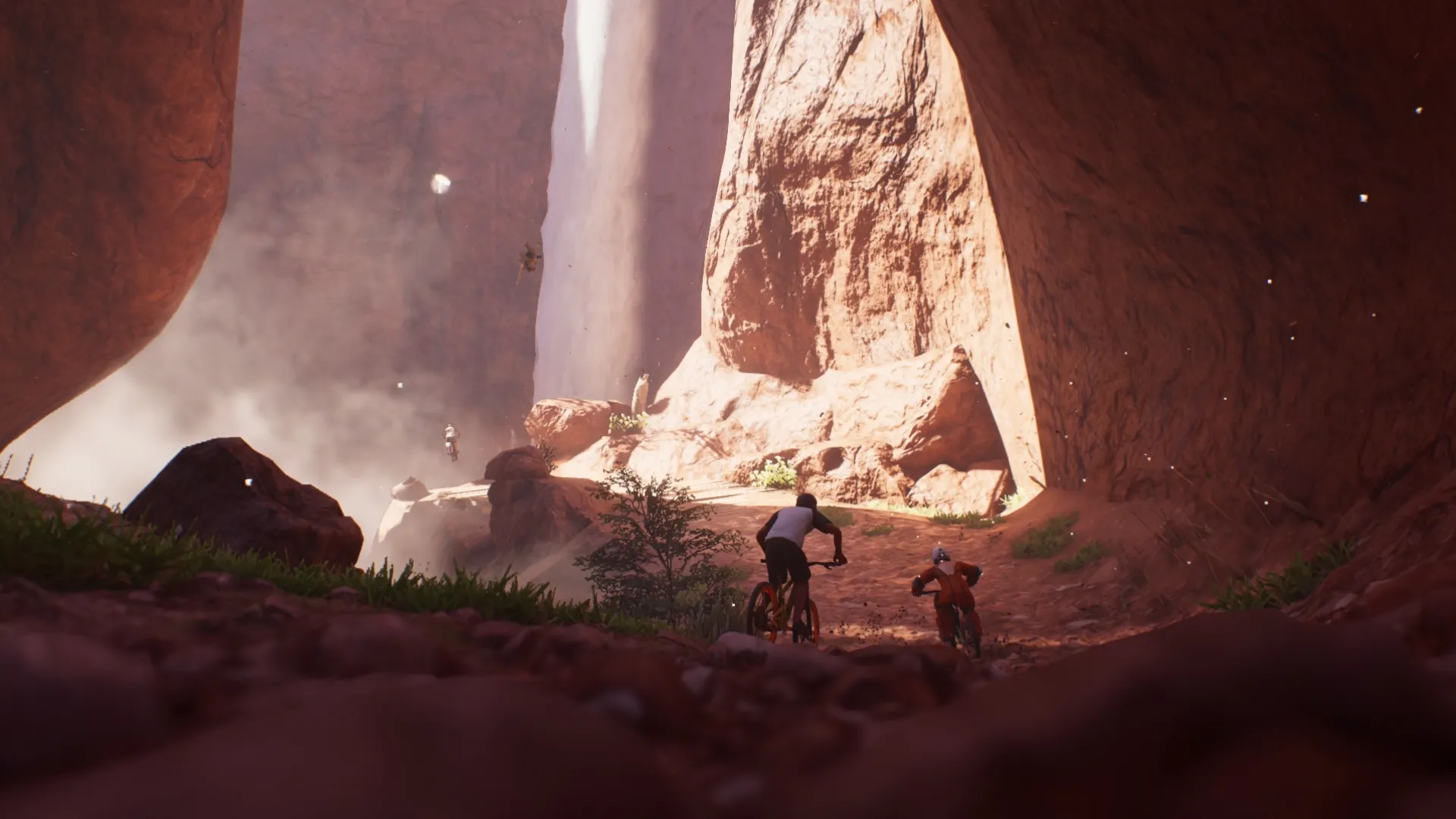
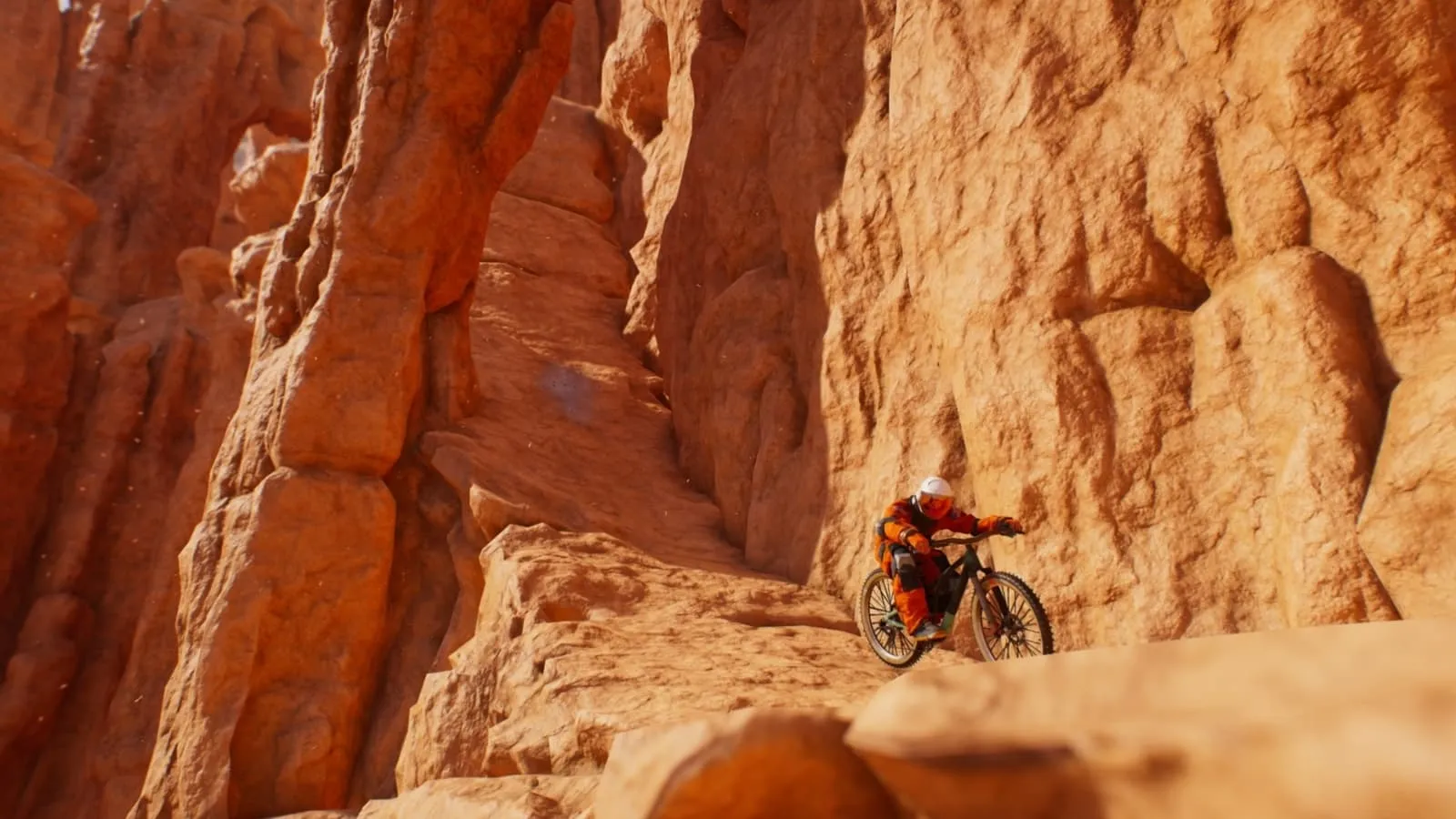
• Used set dressing, composition, and lighting to guide players and improve readability at high speed
• Collaboration with Environment, Tech & Houdini Artists.
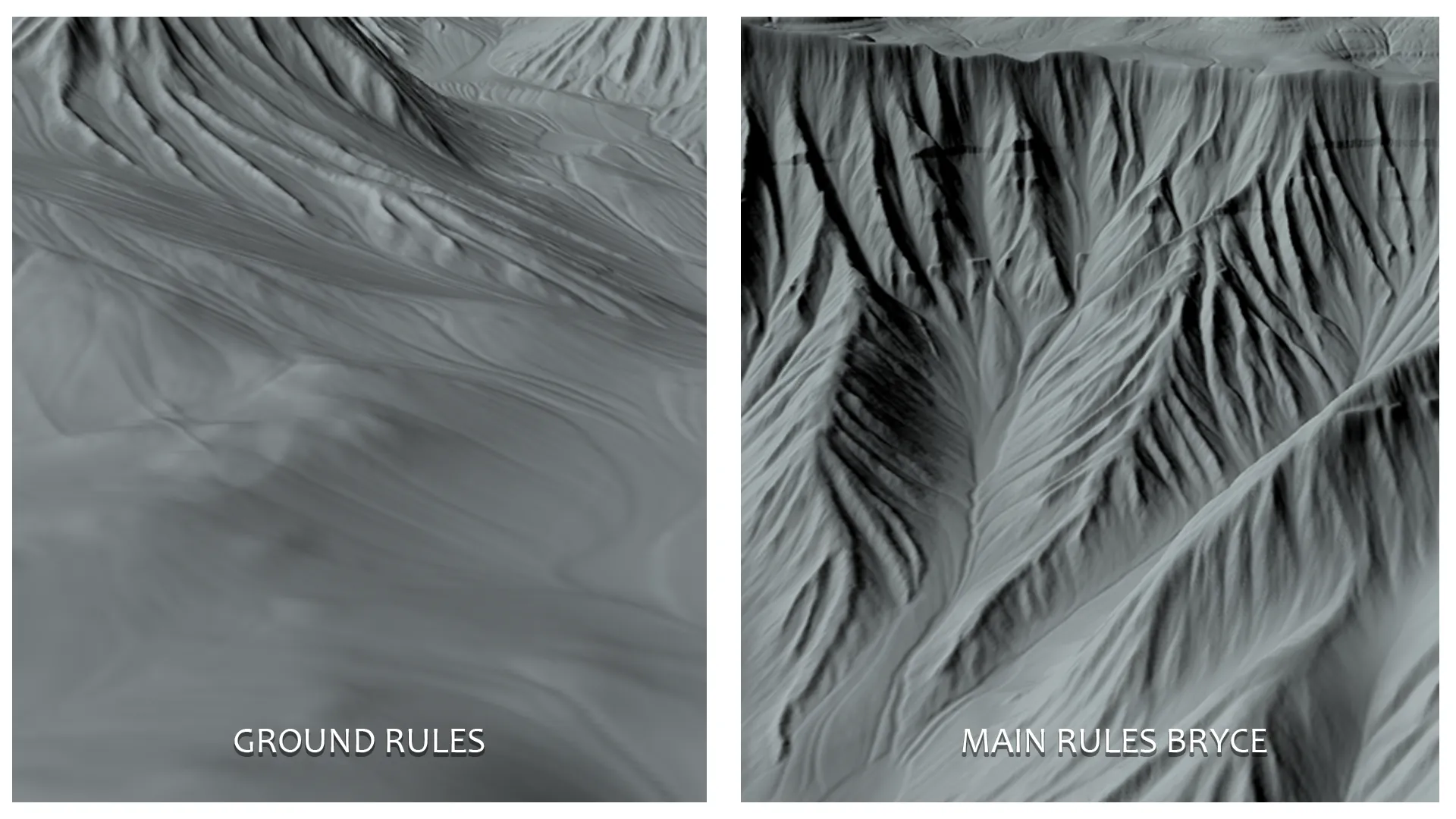
▶️ I had the opportunity to work on the terrain as a trainee world designer. I helped out Yann and Renaud (World Designer and World Director) on creating the procedural rule sets for the world, using WorldMachine and Houdini. I had the opportunity to create the terrain of Bryce Canyon Region by myself, an area of 9km^2. Both Macro and Micro rules.
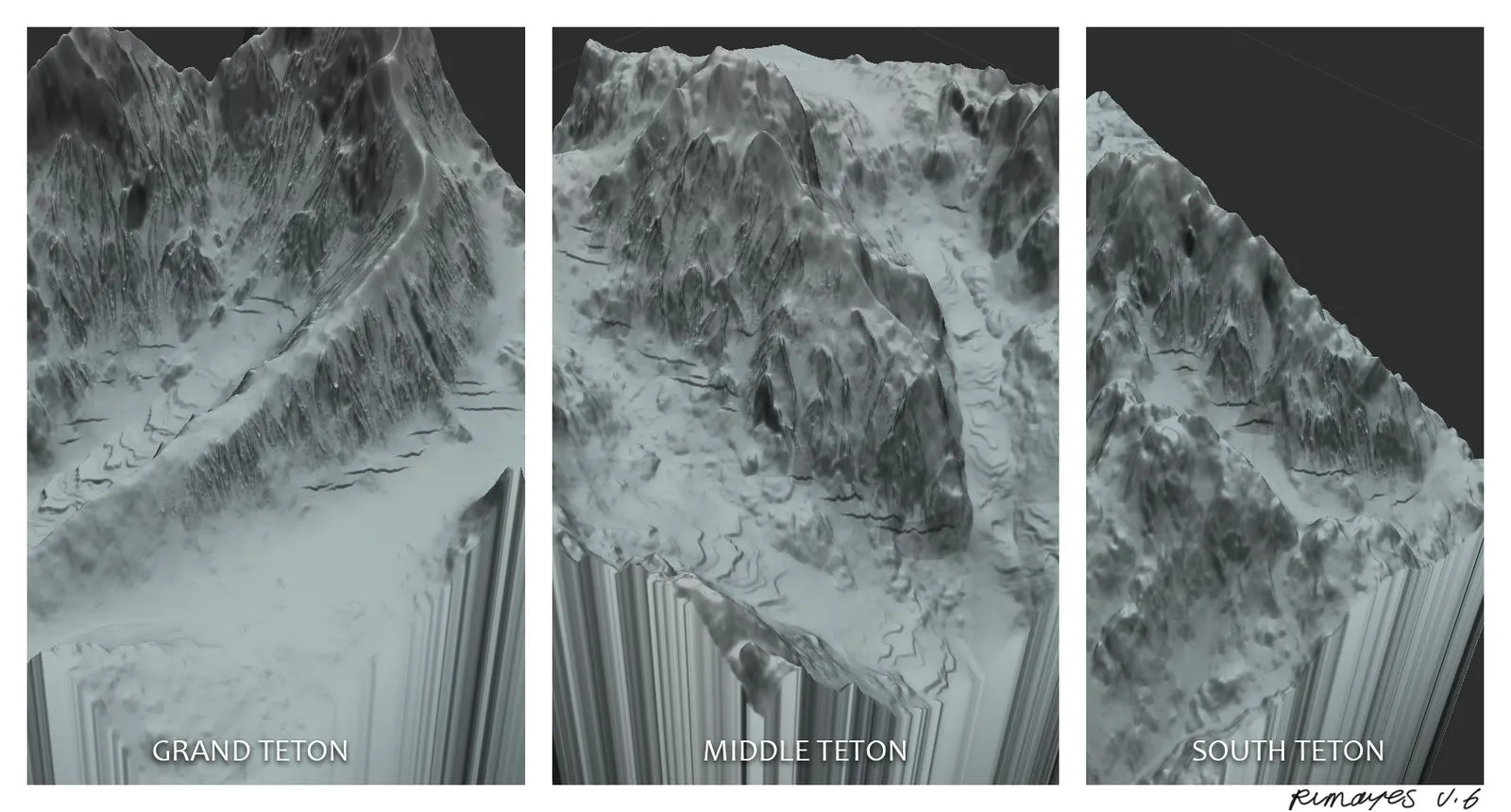
Besides that I did some other minor rules for Grand Teton, Sequoia, the Wave in Canyonlands and the Subway in Zion.
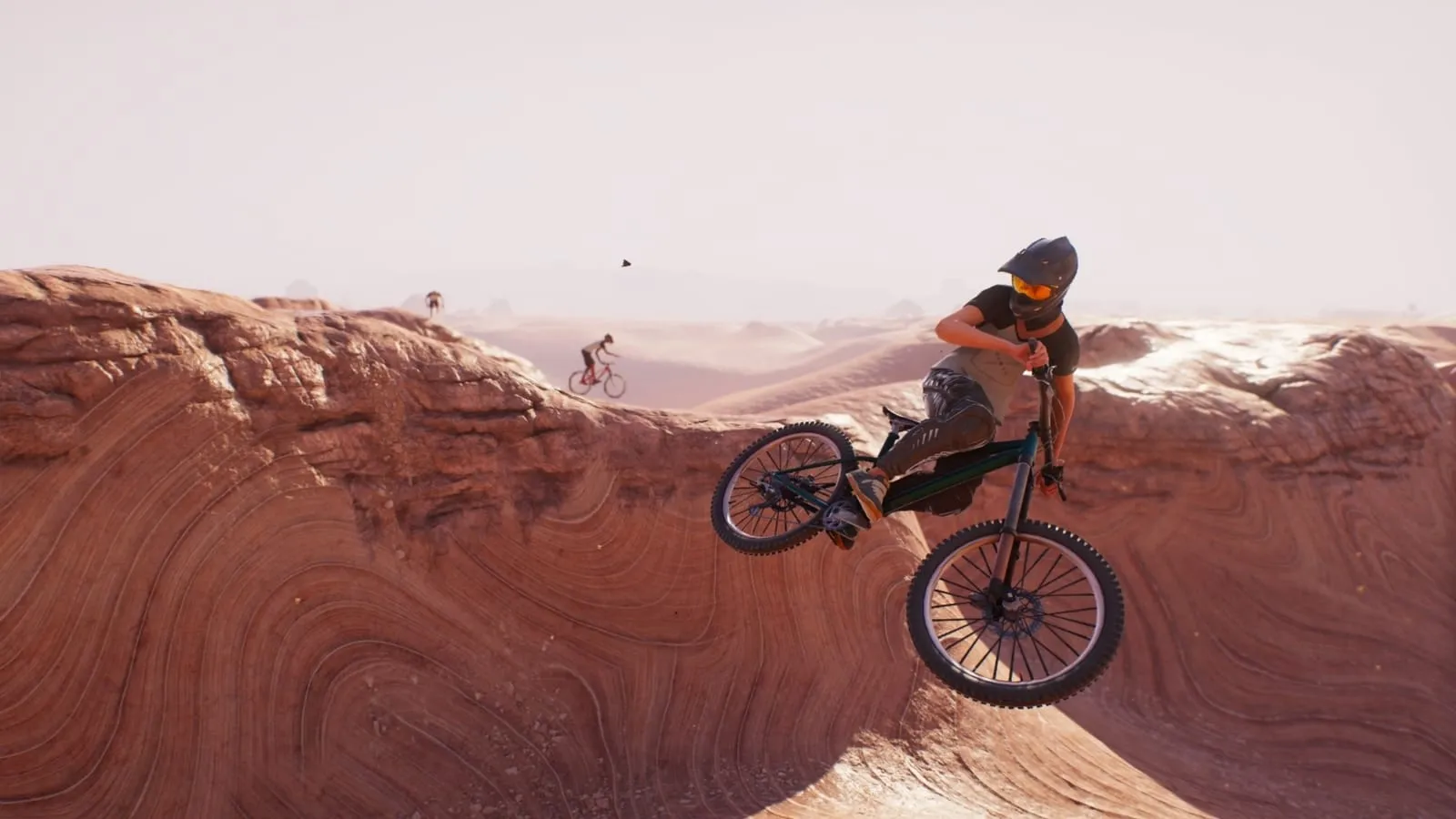
▶️ After my time as a world designer, I switched to level design, creating events and tracks for the game. I was mostly in charge for designing mountain bike tracks. As a new sport, it was a great opportunity and challenge to bring a complete new experience for the player.
I created a total of 10+ tracks and am the owner of the biggest and final event in the game called "Riders Ridge Invitational", an event & playground where the player uses all the sports.
🕹️ The best way to show my work is to show other players play the content I worked on!
Credits to the players. Thank you for making my levels look cool!
One of my proudest works, creating 1 event, 1 playground for all sports
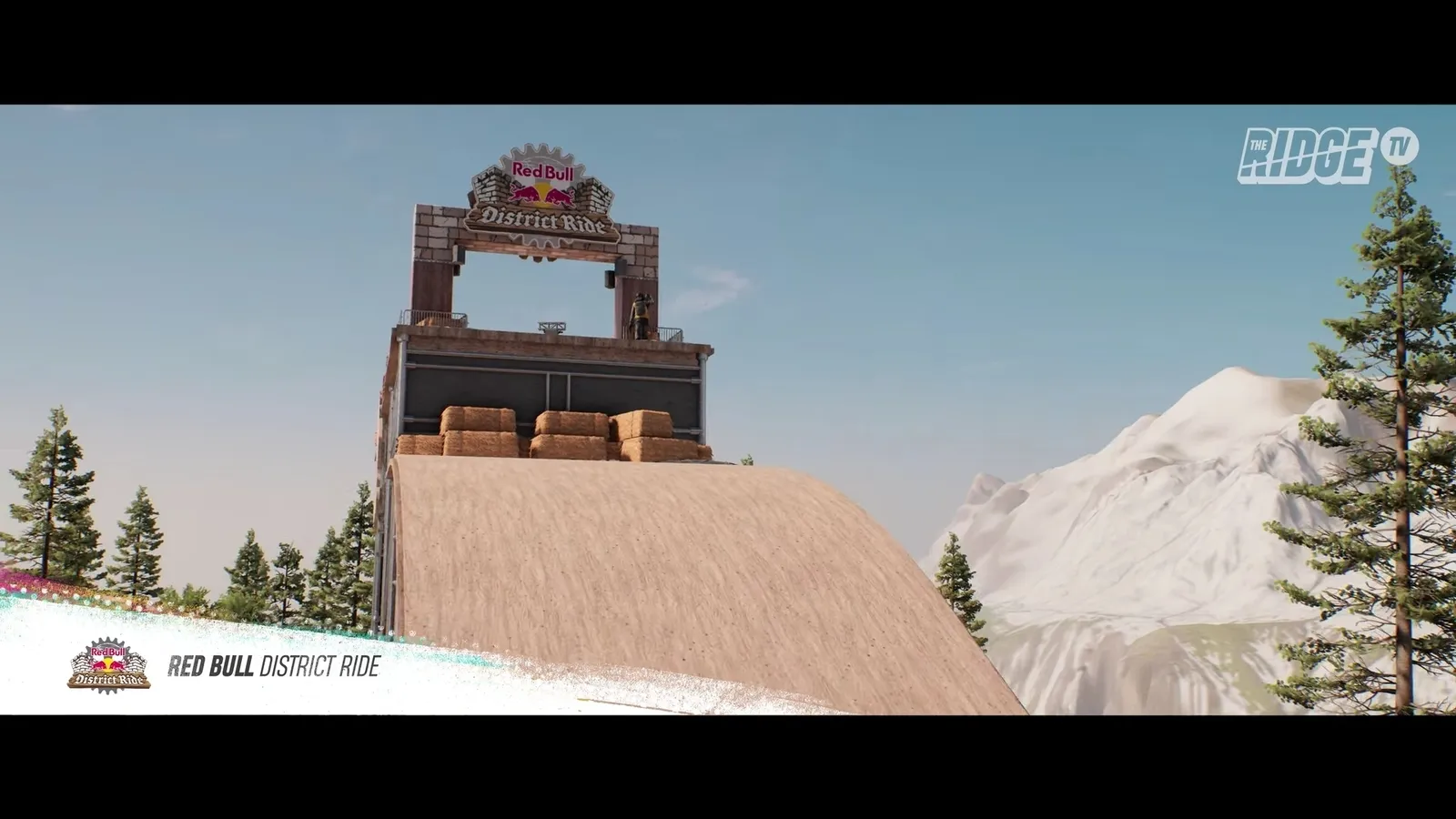
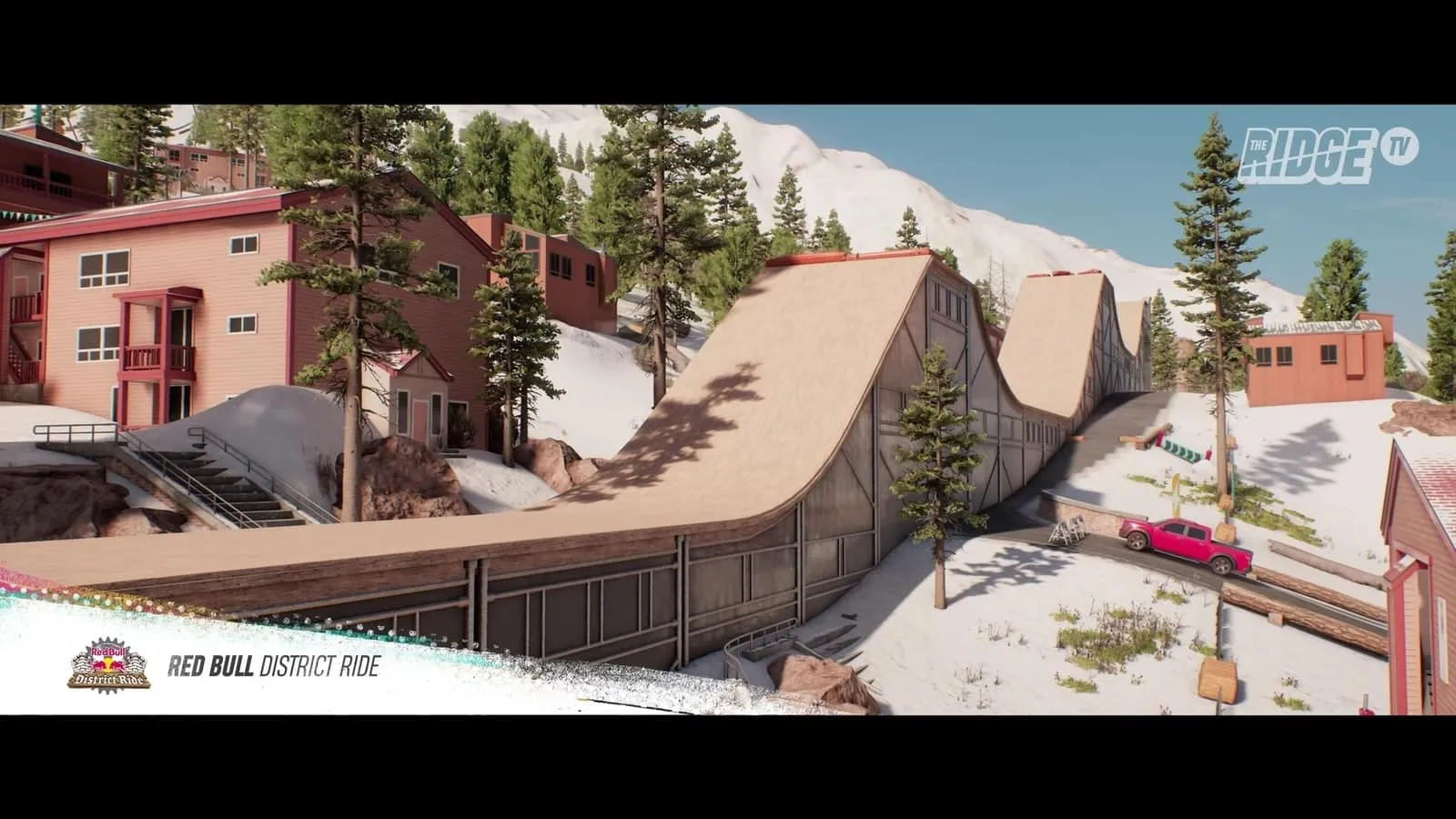
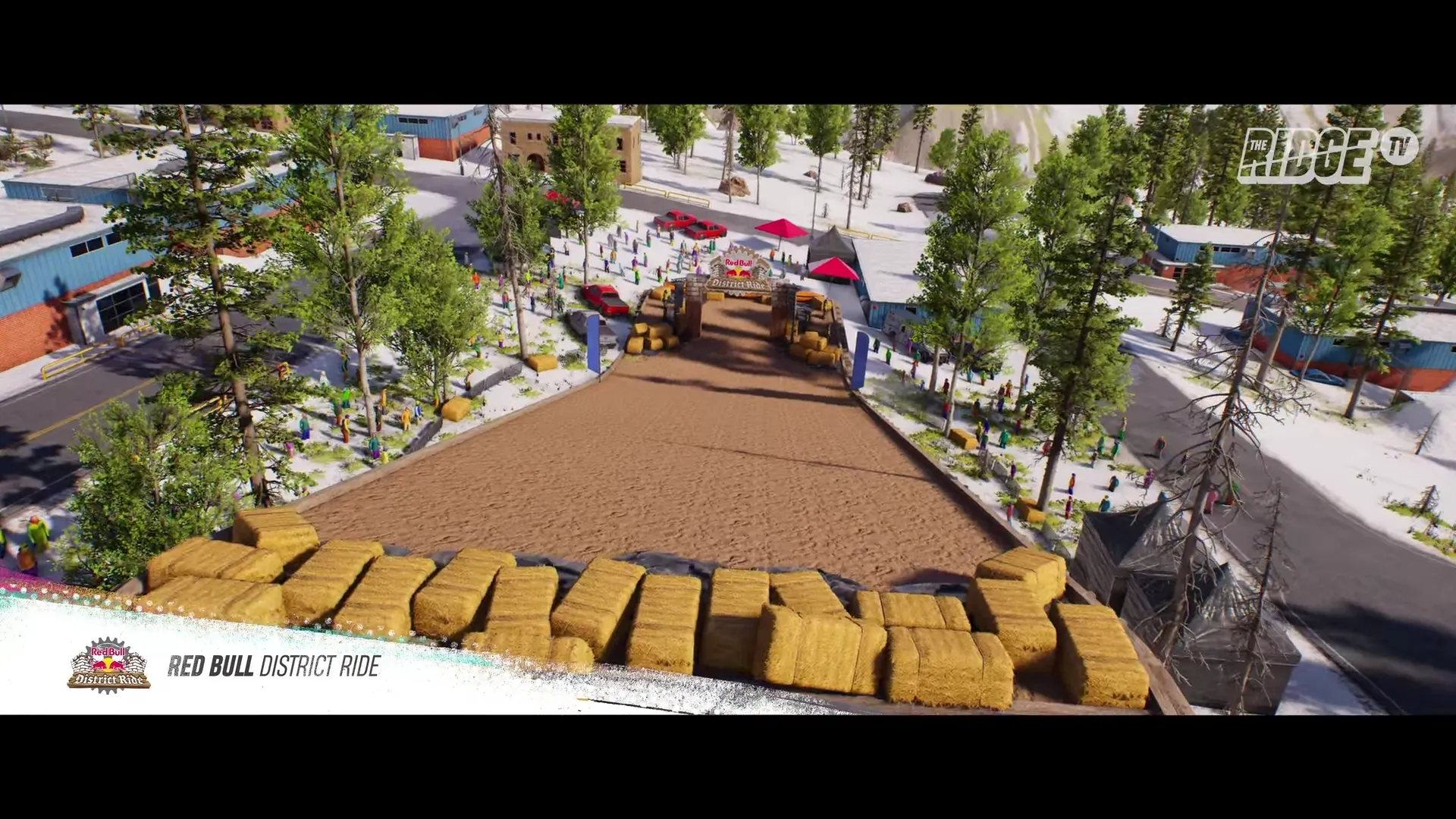
One of the Redbull sponsored events. Simple and fun.
One of my proudest works, creating 1 event, 1 playground for all sports
One of the Redbull sponsored events. Simple and fun.
One of my proudest works, creating 1 event, 1 playground for all sports
One of the Redbull sponsored events. Simple and fun.
One of my proudest works, creating 1 event, 1 playground for all sports
One of the Redbull sponsored events. Simple and fun.
One of my proudest works, creating 1 event, 1 playground for all sports
One of the Redbull sponsored events. Simple and fun.
Designing for a fast-paced, large-scale environment introduced challenges in readability, flow, and player experience.
We want to emulate the feeling of speed while keeping gameplay smooth and epic.
🏎️ Readability at High Speed
Players move at high speeds, making it difficult to:
• Read terrain and obstacles
• Anticipate upcoming turns and changes
• React in time
→ During playtests, we observed that players struggled to react to terrain changes when visual cues were not clear enough, leading to missed turns or loss of control.
🧭 Navigation in Large Environments
• The open world scale can lead to:
• Players losing direction
• Difficulty understanding where to go next
🔁 Flow & Movement
Maintaining momentum is essential for fun. Poor track design can result in:
• Sudden stops
• Loss of flow
• Frustrating interruptions
🎮 Conveying the Action Sports Fantasy
A key challenge was making players feel like skilled athletes while maintaining control and clarity at high speed.
💥 Core Challenge
How might we design large-scale environments that remain readable at high speed, guide players naturally, and maintain a strong sense of flow and action sports fantasy?
• Ensure readability at high speed
• Guide players through large environments without restricting freedom
• Maintain smooth and continuous movement flow
• Create engaging and memorable events that reinforce the action sports fantasy
I worked in an iterative process, collaborating closely with designers, artists, and technical teams.
• Prototyped and tested track layouts and terrain
• Conducted playtests to observe player behavior at speed
• Iterated on flow, readability, and composition
• Refined terrain and track design based on feedback
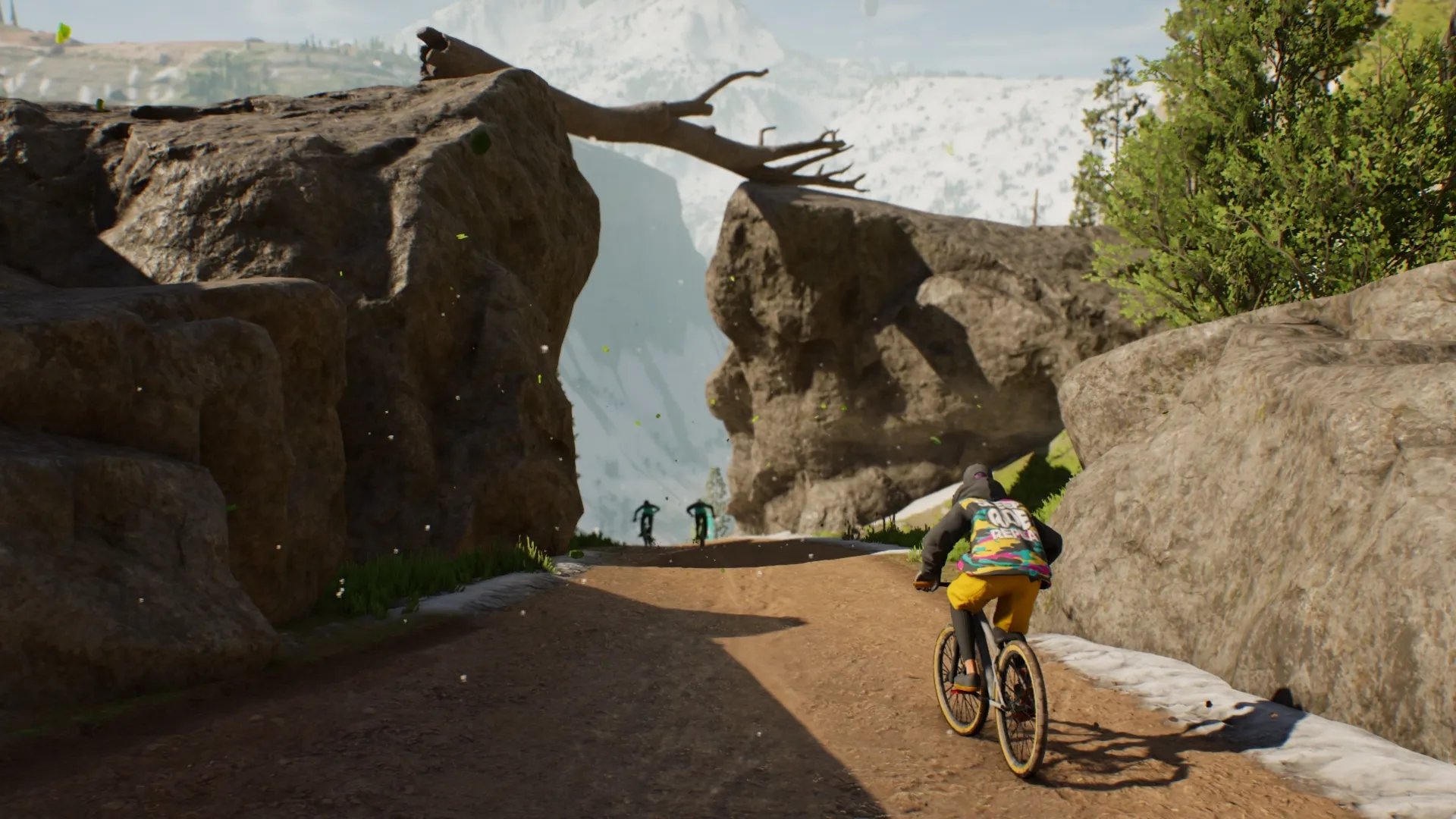
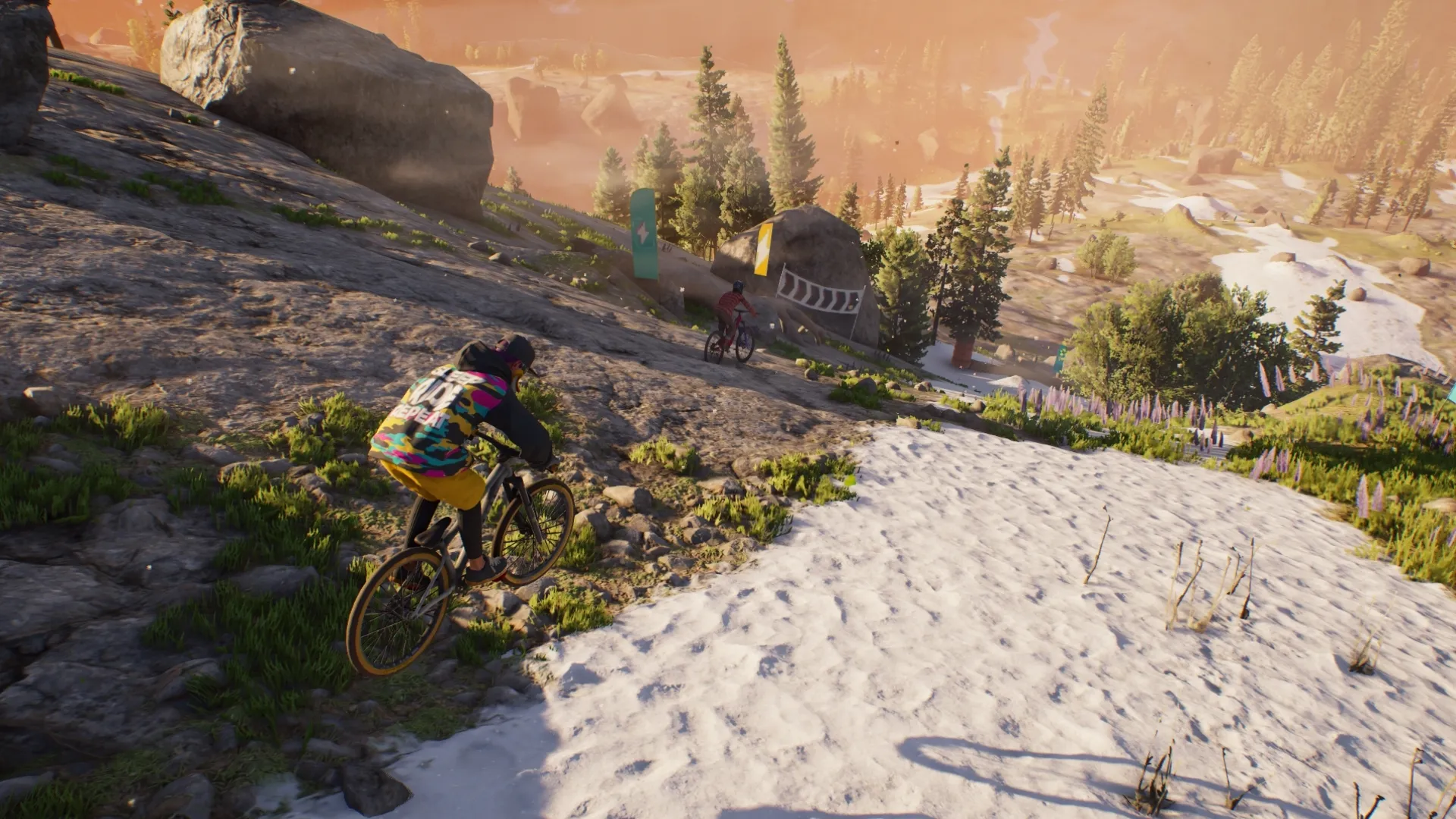
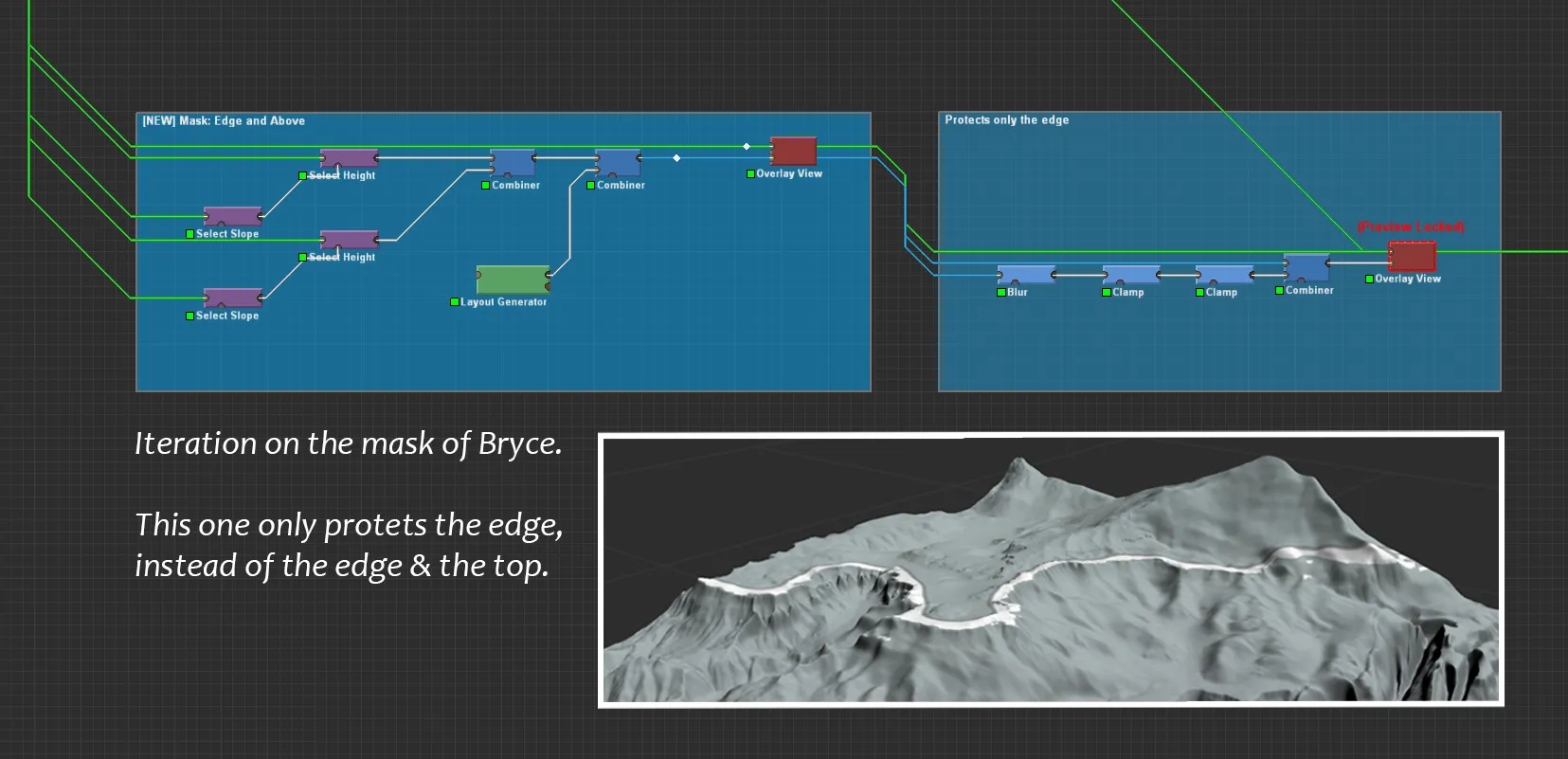
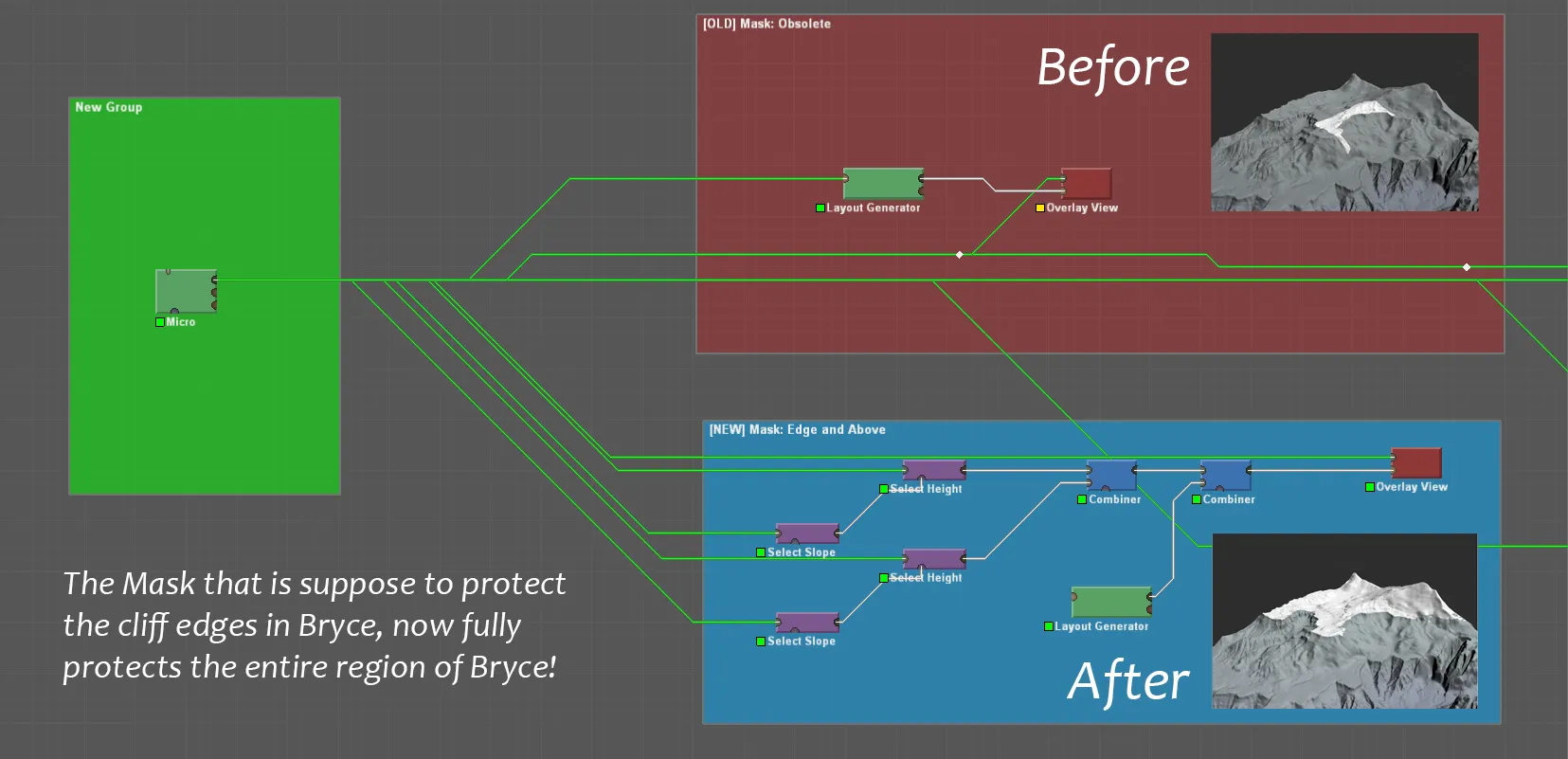
▶️ We used real world height map data as our base and through procedural methods created the micro rules on top of the macro. With use of masks based on for example, height, slope and angle. We were able to distribute the rules for texture and placement for rocks and vegetation.
▶️ I used Houdini, Zbrush and WorldMachine to fix terrain artifacts. Over the time on the project, I developed a workflow method that allows us to easily edit the terrain and reimport it into the engine. With help of the Houdini Artists, I created a small tool that allows artists to export the engine terrain to Houdini and then from Houdini import and modify it with Zbrush. This could afterward be imported back into the game engine.
This method relies on making sure that the exported terrain would always be in a power of 2. This would allow users to non-destructively subdivide and un-subdivide the terrain. Due to how smoothing works in sculpting and modeling programs, it smooths between verts, this is not ideal when you are trying to smooth details on a mesh with millions of polygons. By allowing users to edit a lower subdiv level, it allows them to smooth the terrain easier, faster and with intend.

To support high-speed gameplay, I designed environments and tracks that prioritize clarity, flow, and intuitive guidance.
🏎️ Designing for Speed
• Shaped terrain and track layouts to ensure players could read and react quickly
• Avoided unclear transitions and sudden obstacles
→ Players could anticipate what’s ahead even at high speeds. For example: Players should be able to anticipate a corner, don't put visual blockers in the inner corner. Make use of contrast in color and shape to guide players.
🧭 Visual Guidance
• Used terrain, composition, and landmarks to guide players naturally
• Structured tracks to lead players without forcing a single path
→ Guidance was embedded in the environment rather than explicitly shown
🔁 Continuous Flow
• Designed tracks to maintain momentum and uninterrupted movement
• Avoided dead ends and unnecessary stops
→ Movement felt smooth and engaging throughout the experience
🌍 Balancing Realism and Gameplay
• Built terrain using real-world data while adapting it for gameplay
• Adjusted terrain to support flow, readability, and player experience
→ Environments felt believable without compromising fun, it is an arcade game afterall, fun should come first. It ain't a simulation.
🛠️ Tooling & Workflow
• Contributed to procedural terrain workflows using Houdini and WorldMachine
• Developed methods to efficiently edit and iterate terrain
→ Enabled faster iteration and consistent world-building, not only for me but for the entire team.
• Players were able to navigate large environments while maintaining high speed
• Improved readability allowed players to stay in control and react quickly
• Smooth track flow resulted in more engaging and less frustrating gameplay
• Iteration and playtesting led to continuous improvements in player experience
💡 Design Insight
A key part of the action sports fantasy is being able to own and customize your gear.
In Riders Republic, players unlock pre-configured bikes, which limits personalization. Allowing players to build and customize their own bike could strengthen this connection, as players become more invested in experimenting and improving their setup.
It also shifts responsibility. When players fail with a self-built setup, they are more likely to reflect and adjust. With pre-made bikes, frustration is more often directed at the game itself.